Fertility Care
When is woman most fertile? complete guide to ovulation and pregnancy timing

when is woman most fertile?
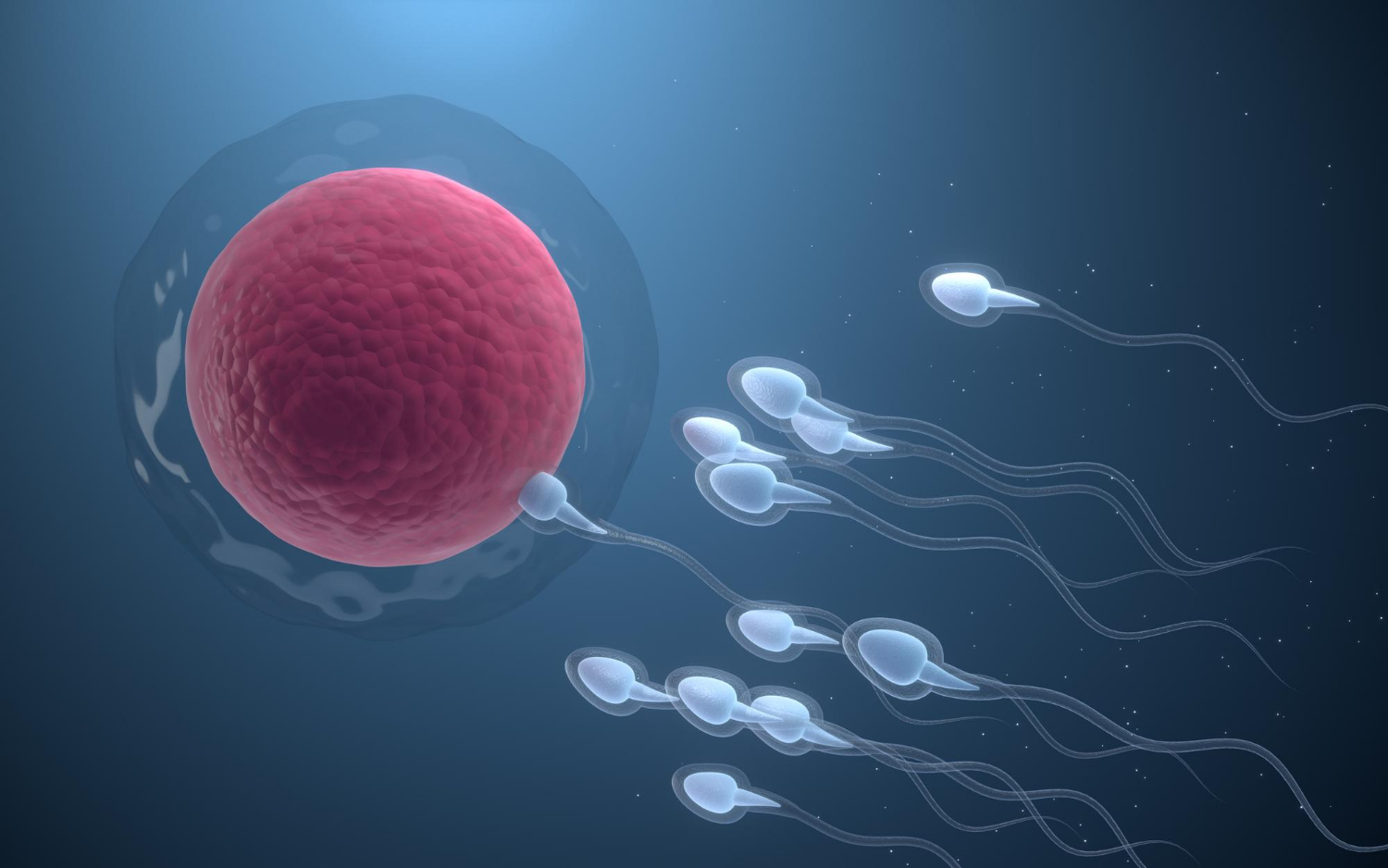
A woman is most fertile during ovulation, which typically occurs in the middle of her menstrual cycle. This is the time when the ovary releases an egg, making pregnancy most likely.
The fertile window usually includes:
- 5 days before ovulation
- the day of ovulation
This is because sperm can survive inside the body for several days, increasing the chances of fertilization.
how to know when ovulation happens
Understanding when ovulation occurs is key to identifying when a woman is most fertile.
Common signs of ovulation include:
- changes in cervical mucus
- slight increase in body temperature
- mild pelvic pain
- increased libido
Tracking these signs can help improve the chances of getting pregnant naturally.
best time to try to get pregnant
The best time to try to conceive is during the fertile window.
For most women:
- ovulation occurs around day 14 of a 28 day cycle
- fertility peaks 1 to 2 days before ovulation
Timing intercourse during these days significantly increases the chances of pregnancy.
what if pregnancy does not happen
Even when timing is correct, pregnancy may not happen immediately.
This can be due to:
- hormonal imbalances
- ovulation issues
- egg quality
- sperm quality
If you have been trying without success, it may be time to understand your fertility better.
You can start by reading about como saber si soy esteril to identify possible issues.
when is woman most fertile and IVF treatment
Even though IVF (in vitro fertilization) does not rely on natural timing, understanding fertility cycles is still important.
Doctors use this information to:
- schedule treatments
- optimize egg retrieval
- improve success rates
If natural conception is not working, assisted reproductive treatments may be the next step.
To explore fertility treatment options, visit:
factors that affect fertility
Being in your fertile window does not always guarantee pregnancy.
Several factors can affect fertility:
- age
- hormone levels
- lifestyle habits
- medical conditions
Understanding these factors can help you take the right steps toward improving your chances.
when to see a fertility specialist
You should consider professional help if:
- you have been trying for 12 months without success
- you are over 35 and trying for 6 months
- you have irregular cycles
- you suspect fertility problems
Early evaluation can significantly improve outcomes.
If you are exploring options outside the US, you can learn more about personalized fertility care here.
how to reduce IVF costs
Patients can manage costs by:
- choosing the right clinic
- getting early diagnosis
- following medical recommendations
- selecting appropriate treatment options
Making informed decisions can significantly reduce overall expenses.
Panama Fertility, Specialist in Fertility
PANAMA FERTILITY