

Panama Fertility

IVF - In Vitro Fertilization

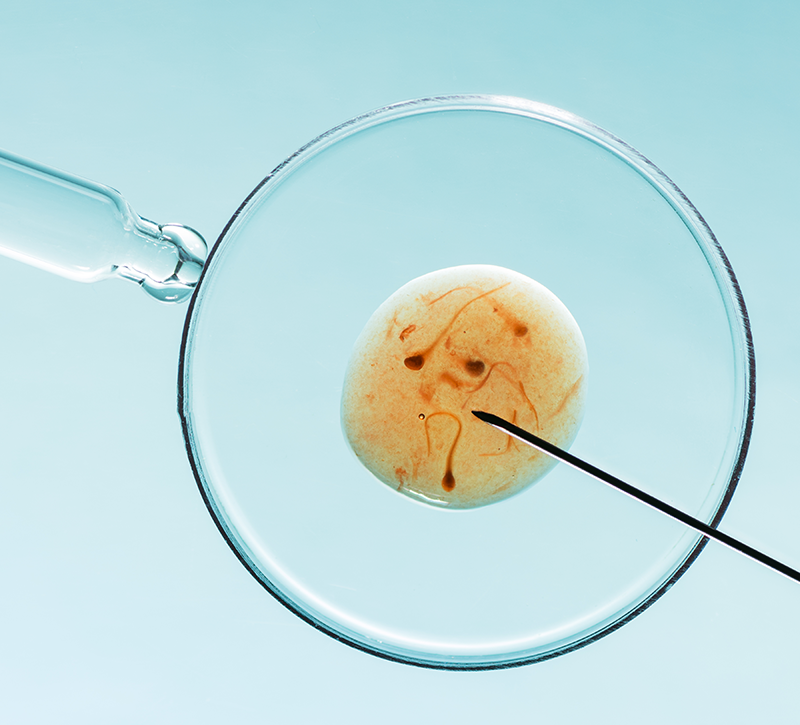
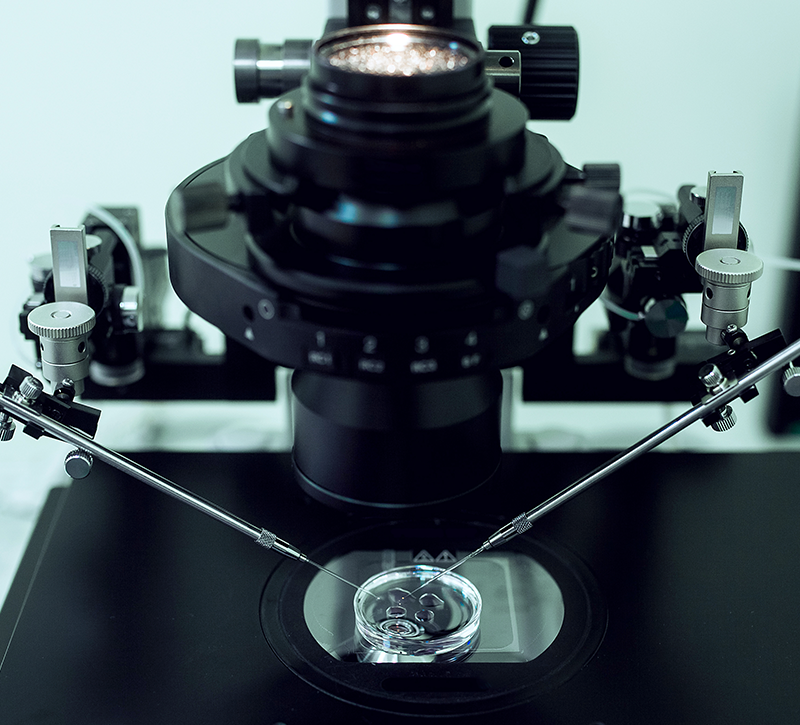
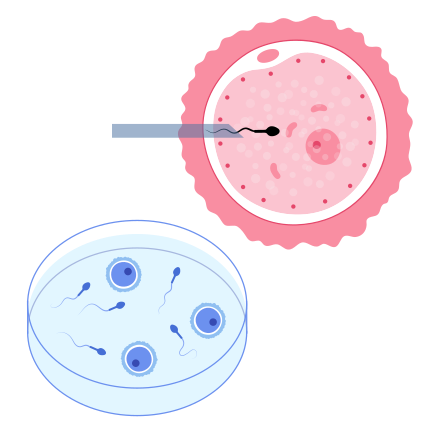
In Vitro Fertilization (IVF) is an assisted reproductive technique that involves combining eggs and sperm in a controlled laboratory environment.

In Vitro Fertilization in Panama

What is In Vitro Fertilization (IVF)?

This series of assisted reproductive procedures combines eggs and sperm in a controlled laboratory environment to obtain healthy embryos that can later be transferred to the uterus.

IVF is recommended for couples who have difficulty conceiving naturally, due to various reasons, whether originating in the woman’s or the man’s body.

IN VITRO Fertilization (IVF)

In Vitro Fertilization (IVF) in 4 Steps

Depending on your personal circumstances, In Vitro Fertilization may be your best option for achieving pregnancy. Discover in a simple way how we achieve our high success rates in this procedure below.

Ovarian Stimulation

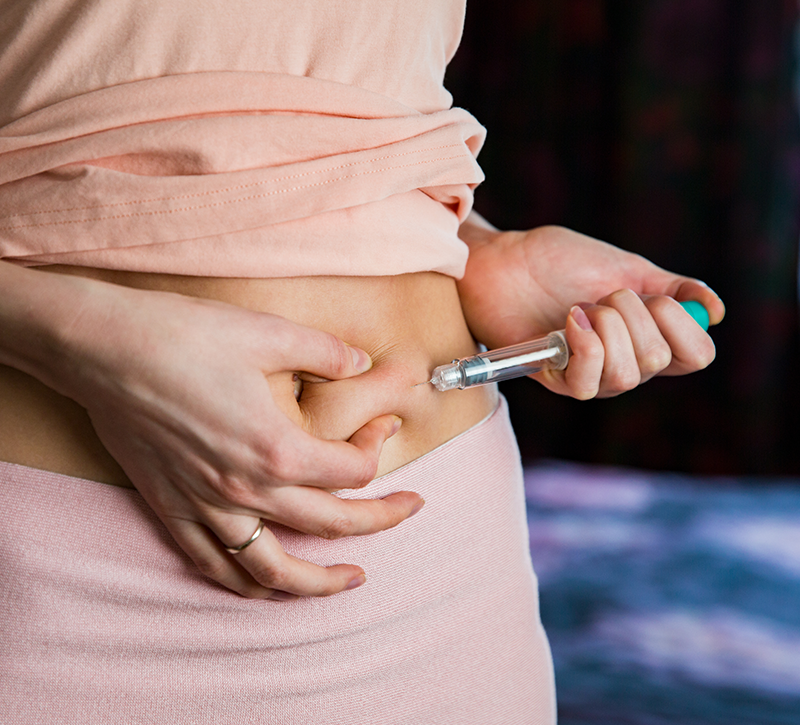
We stimulate your ovaries with hormonal medication to encourage the development of follicles.
Extraction and Collection

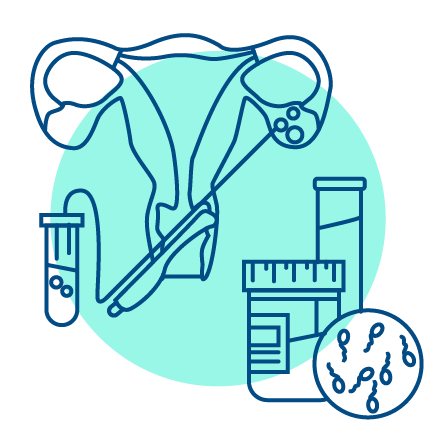
We retrieve the resulting eggs and/or sperm to be used, following the most advanced techniques.

Fertilization and Embryo Culture

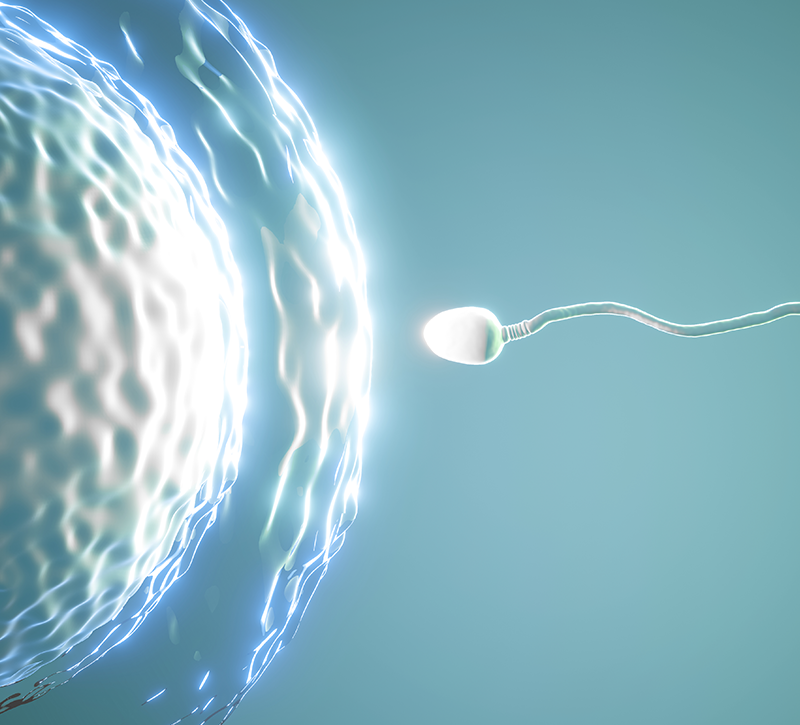
Eggs and sperm are combined in a controlled laboratory environment to achieve fertilization.
Ovarian Stimulation

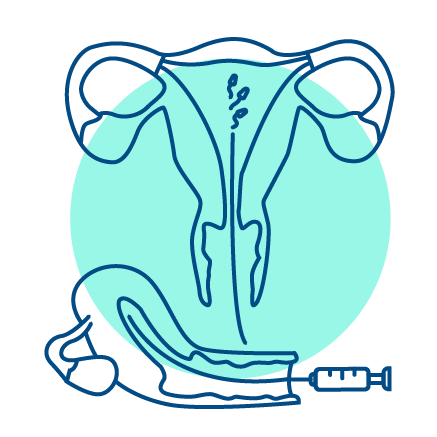
The resulting embryos are transferred to the uterus via a catheter in a quick and simple procedure.
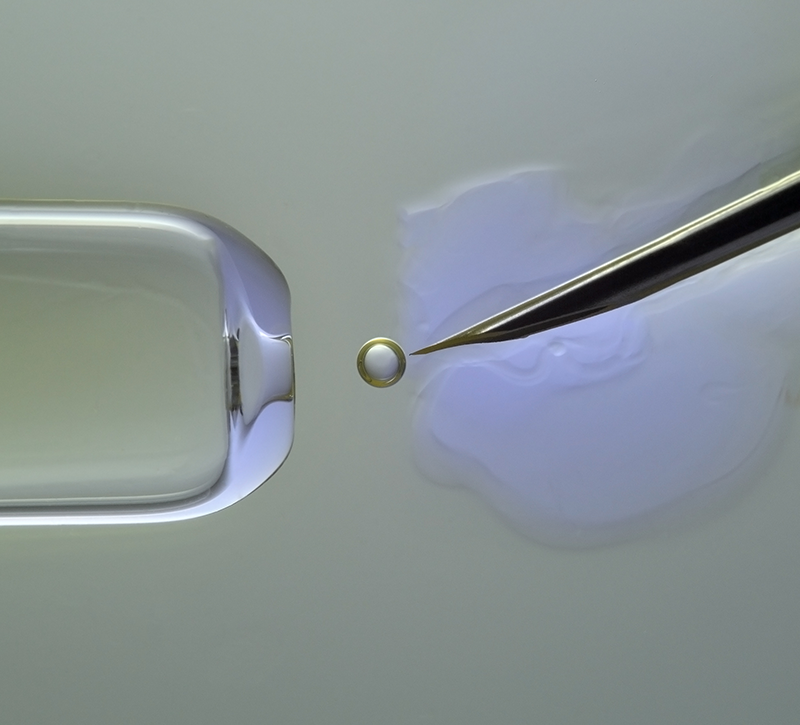
Step 1 of IVF

Ovarian Stimulation

Ovarian Stimulation

This series of assisted reproductive procedures combines eggs and sperm in a controlled laboratory environment to obtain healthy embryos that can later be transferred to the uterus.

IVF is recommended for couples who have difficulty conceiving naturally due to various reasons, whether originating in the woman’s or the man’s body.
Step 2 of IVF

Extraction & Collection

Egg Retrieval

This is a simple and painless procedure in which the eggs are extracted from the woman’s ovaries to be fertilized in the laboratory. It lasts about 20 minutes and is performed under light sedation. An ultrasound-guided catheter is used.

Your fertility specialist will quickly extract the mature eggs from the ovaries. Patients can typically leave the clinic after an hour and only require mild pain relievers for any discomfort once the sedation wears off. The number of eggs obtained will depend on your age, medical history, medication protocol, and response to the medications.

After the extraction, we prescribe progesterone to prepare the uterus for embryo transfer.

Sperm Collection

At the same time, the male partner is asked to provide a semen sample, which will be prepared in the laboratory using a technique called sperm washing. This process involves separating healthy and motile sperm from the semen and preparing them for fertilization.

Once this process is complete, the concentrated motile sperm will be transferred to the location where fertilization will occur.
Step 3 of IVF

Fertilization and Embryo Culture

Fertilization

In this step, eggs and sperm are combined in a laboratory dish and incubated for about 16-20 hours to achieve fertilization.

Embryo Culture

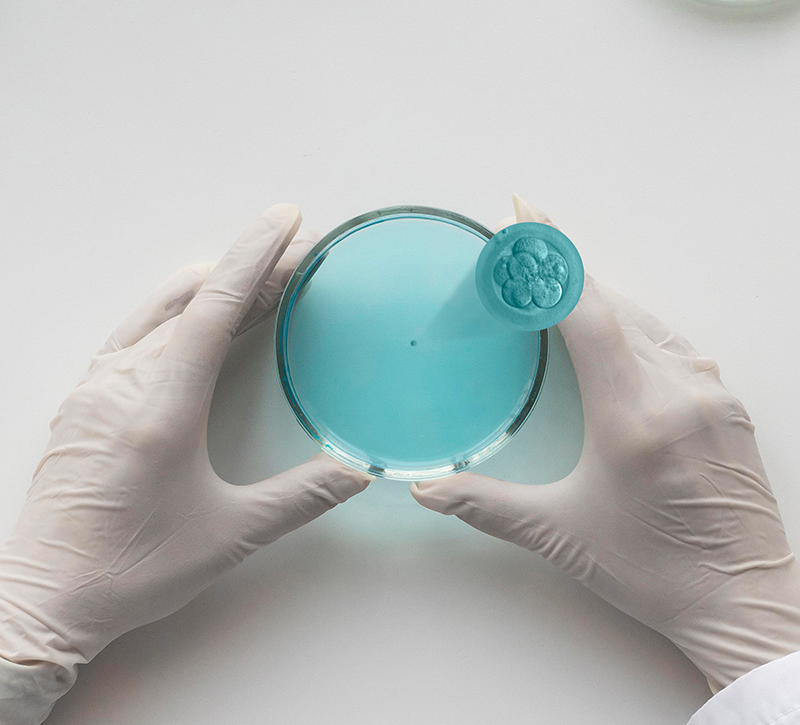
16-18 hours after fertilization, the developing embryos grow under strict conditions in our IVF laboratory. The embryos are monitored for the next 3-5 days until they reach the blastocyst stage. Our IVF laboratory prefers blastocyst-stage transfer, as published data support higher success rates.

The embryologist will grade the embryos based on their quality and select the best ones for transfer to the uterus.
Step 4 of IVF

Embryo Transfer

Embryo Transfer

This involves placing one or more embryos into the uterus through a fine catheter. The number of embryos transferred depends on various factors, such as the patient’s age, medical history, and the quality of the embryos. After the transfer, the patient is advised to rest for a short period before being discharged. A pregnancy test is usually performed between 10 and 14 days after the transfer to determine if it was successful.

In some cases, such as patients opting for preimplantation genetic testing (PGT-A) or a frozen embryo transfer, the embryo transfer is postponed by approximately one month, and all embryos must be cryopreserved. Any remaining embryos after a fresh transfer are also cryopreserved.

What Problems Can IVF Help With?

IVF is usually recommended for couples who have been trying to conceive for a year or more without success. It may also be recommended for individuals or couples with certain medical conditions that make natural conception difficult or impossible. Some indications for IVF include:
Your embryos, monitored around the clock.

How We Select Your Best Embryo?

At Panama Fertility, every embryo is cultured in our MIRI® TL Time Lapse Incubator a system that continuously captures images of your embryos without ever removing them from their optimal environment.
Each patient has a dedicated, independent chamber, ensuring stability and eliminating any risk of cross-contamination. This allows our embryology team to observe every stage of development with exceptional detail.
We then use Chloe AI the first and only FDA cleared artificial intelligence for embryo assessment to analyze this data. By evaluating key developmental patterns, Chloe provides an additional layer of objective insight to help identify the embryo with the highest potential.


Clinical data shows that the use of AI-assisted selection can improve ongoing pregnancy rates and reduce early miscarriage giving patients more confidence in each step of the process.
And there’s something even more special: through the Chloe Embryo Viewer, you can follow your embryos’ development from fertilization to blastocyst, directly from your phone or computer.
The result is a more precise, data-driven approach supported by advanced technology and expert care.

Watch Your Embryos Develop

Experience a unique connection to your fertility journey. With our Chloe Embryo Viewer, you can follow your embryos’ development in a secure, private platform from fertilization through each stage of growth.

DIFFERENT IVF

What are the different types of IVF?

There are different types of IVF, including:

Using Own Eggs

It is the most common type of IVF and involves using the patient's eggs to create embryos.
Using Donor Eggs

In cases where the patient's eggs are not viable, donor eggs can be used in IVF to create embryos.

Reciprocal IVF

Reciprocal IVF is a type used by same-sex female couples who want to share childbearing. In this process, one partner undergoes ovarian stimulation and egg retrieval, and the resulting embryos are transferred to the uterus of the other partner.
IVF for Single Mothers

IVF can help single women who want to have children but do not want to or do not have a male partner, with this treatment they can start their maternal life.

Success Rates

Our success rates are 30% higher than in the region and higher than in the United States. Our doctors are highly qualified and use the most advanced technology available. We offer affordable financial options to help make your fertility treatments accessible.

First attempt

With Own Eggs
0 %
With Donor Eggs
0 %

Second Attempt

With Own Eggs
0 %
With Donor Eggs
0 %

Third Attempt

With Own Eggs
0 %
With Donor Eggs
0 %

IVF Cost

Costs can vary depending on each patient’s procedure. However, contrary to popular belief, it is often one of the most affordable methods of fertilization.

At Panama Fertility, we are committed to making fertility treatment more affordable and accessible to our patients. We understand that the cost of treatment can be a major barrier to starting or continuing fertility treatment, and we have developed a number of financial programs to help ease this burden.

National Patients

We offer a wide variety of payment methods, including 0% Interest Payment Plans on select credit cards, Discount Programs and Financial Assistance where you can benefit from a 15% discount on our treatments, and a 100% cash back program. In addition, we offer multi-cycle discount programs, which offer a 38% discount on individual treatments.

National Patients

We understand that traveling to Panama for treatment may add to the total cost of treatment. To help minimize travel expenses, we offer the option to monitor ovarian stimulation locally with your doctor (and we take care of this), and then travel to Panama for the extraction. The extraction process usually requires a stay of approximately 48 hours.

Frequently Asked Questions

In vitro fertilization (IVF) is a fertility treatment involving fertilizing an egg with sperm outside the body. The process begins by stimulating the ovaries to produce multiple eggs, which are then retrieved and fertilized in a laboratory. The resulting embryos are monitored, and once they reach a certain stage of development, one or more are transferred to the uterus. IVF helps couples and individuals overcome various fertility challenges, such as blocked fallopian tubes, low sperm count, or advanced maternal age.

IVF with donor eggs is a variant of IVF that involves using donated eggs from a carefully selected donor and an FDA-compliant donor. This treatment option is suitable for individuals or couples who cannot produce viable eggs or have a higher risk of passing on genetic disorders. Donor eggs are fertilized with the partner’s or donor’s sperm, and the resulting embryos are transferred to the recipient’s uterus. IVF with donor eggs provides an opportunity for those who otherwise cannot conceive using their eggs.

At Panama Fertility, we take pride in our exceptional success rates for IVF and IVF with donor eggs. Our clinic’s success rates are consistently 30% above the regional average. These higher success rates result from our experienced team, state-of-the-art facilities, and personalized treatment approach. We understand the importance of achieving a successful pregnancy and work tirelessly to provide the best possible outcomes for our patients.

Choosing Panama Fertility as an international patient offers several advantages. First and foremost, we have a team of highly skilled physicians who are trained and Board Certified in the United States and have extensive experience in fertility treatments. Our clinic has been at the forefront of reproductive medicine for over 30 years, offering a wealth of knowledge and expertise. Additionally, Panama is a convenient destination for international patients, with excellent connectivity through direct flights to the United States and numerous destinations in Latin America and the Caribbean. We also provide personalized care and support throughout your journey, ensuring that you feel comfortable and confident in your decision to seek fertility treatment at our clinic.

The recommended length of stay in Panama for IVF or IVF with donor eggs treatment typically consists of 1 week, given that many patients opt for cycle start and monitoring in their home country. At Panama Fertility, we understand the unique needs of our international patients and provide comprehensive support services to make your stay as comfortable as possible. We can assist with travel arrangements, including airport transfers and accommodations. Additionally, our dedicated team is fluent in English.

Yes. All embryos are cultured in our MIRI® TL Time-Lapse Incubator, which continuously captures images without removing them from their environment.

es. Through our secure Chloe Embryo Viewer, you can watch a time lapse video from your phone or computer.

We use Chloe AI, the first FDA-cleared AI for embryo assessment, to support embryo selection alongside our embryologists.

We use Chloe AI, the first FDA-cleared AI for embryo assessment, to support embryo selection alongside our embryologists.

Do you want more information?

We are here to help you. If you have any questions, comments, or need assistance, don't hesitate to reach out to us.

Name
Example: +1-866-5852. Area code followed by number