
FERTILITY & CONCEPTION
How Does In Vitro Fertilization Work? A Clear Explanation for Bahamas Patients

Many individuals and couples exploring fertility treatment ask the same essential question: how does in vitro fertilization work? Understanding the IVF process helps reduce uncertainty and empowers patients to make informed decisions about their reproductive health. For patients from the Bahamas, seeking IVF treatment abroad has become a practical and effective option. At Panama Fertility, IVF is approached with advanced medical expertise, personalized care, and clear communication at every step.
What Is In Vitro Fertilization?
Before answering how it works, it’s important to understand what IVF is. In vitro fertilization (IVF) is an assisted reproductive treatment in which an egg and sperm are combined outside the body in a laboratory. Once fertilization occurs and an embryo develops, it is transferred into the uterus to achieve pregnancy.
IVF is used when natural conception is difficult or unlikely, and it has helped millions of families worldwide.
How Does In Vitro Fertilization Work Step by Step?
The IVF process follows a structured sequence of medical steps designed to maximize the chances of pregnancy while ensuring patient safety.
Ovarian Stimulation
The first step in how in vitro fertilization works is ovarian stimulation. Fertility medications are used to stimulate the ovaries to produce multiple eggs instead of the single egg released during a natural cycle. Producing multiple eggs increases the chances of creating healthy embryos.
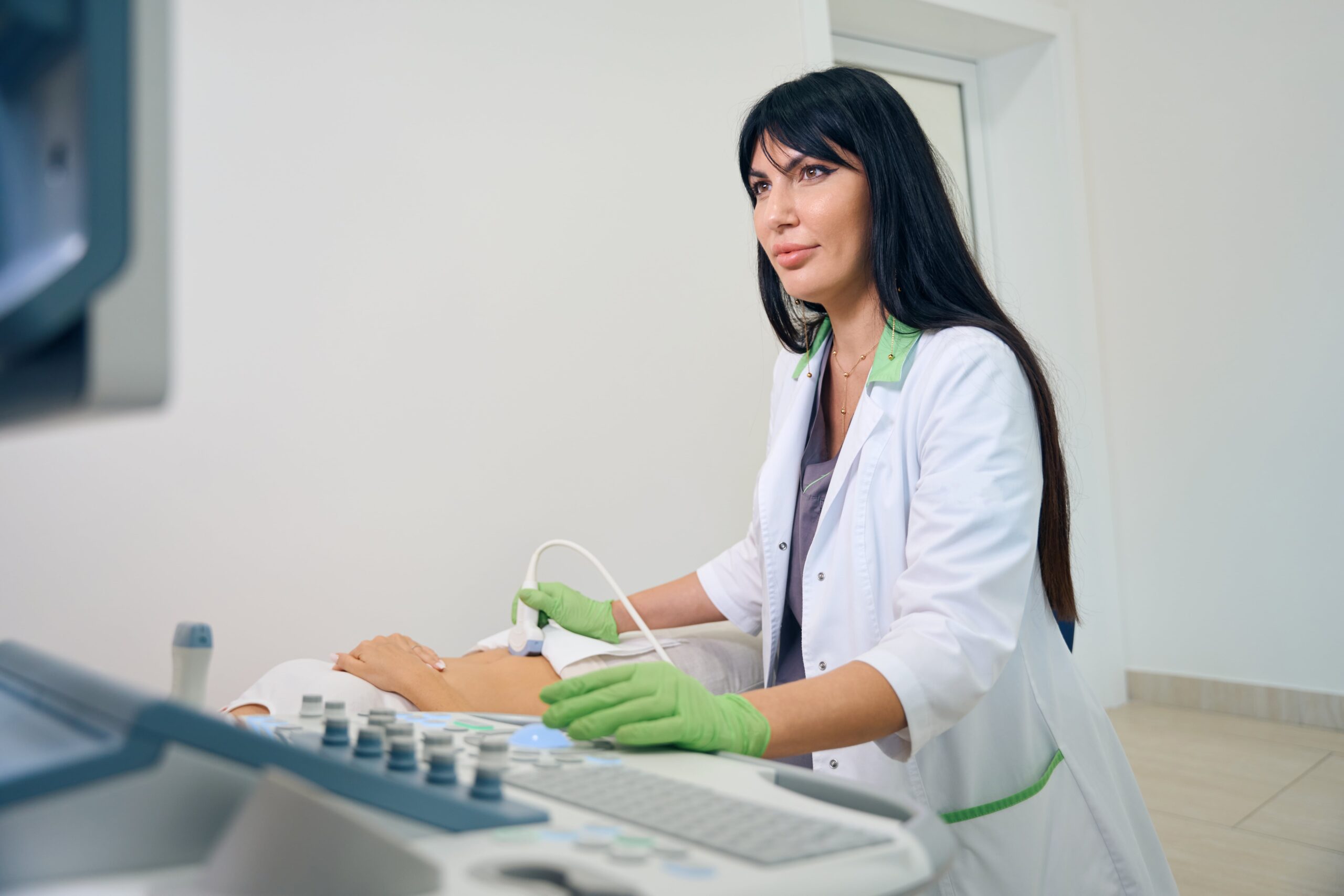
During this phase, patients are closely monitored with ultrasounds and blood tests to track follicle development and hormone levels. This monitoring ensures the treatment is progressing safely and effectively.
Egg Retrieval
Once the eggs are mature, they are collected through a minor procedure called egg retrieval. This is performed under light sedation and usually takes less than 30 minutes.
Using ultrasound guidance, a specialist retrieves the eggs from the ovaries with a thin needle. Most patients recover quickly and resume normal activities within a day.
Sperm Collection and Fertilization
On the same day as egg retrieval, a sperm sample is collected. Fertilization then occurs in a specialized laboratory. Depending on the medical situation, fertilization may happen by combining eggs and sperm naturally or through advanced techniques that assist fertilization.
This laboratory stage is a key part of how in vitro fertilization works, as it allows embryologists to carefully observe fertilization and early embryo development.
Embryo Development
After fertilization, embryos are monitored for several days as they develop. During this time, embryologists evaluate embryo quality, growth rate, and structure.
In some cases, genetic testing may be performed to assess chromosomal health, especially for patients with a history of miscarriage or advanced maternal age. Selecting the healthiest embryo improves the likelihood of a successful pregnancy.
Embryo Transfer
The embryo transfer is one of the final steps in how in vitro fertilization works. A selected embryo is gently placed into the uterus using a thin catheter. This procedure is simple, painless, and does not require anesthesia.
After the transfer, patients may take medications to support implantation and early pregnancy. Normal daily activities can usually be resumed shortly afterward.
Pregnancy Testing and Follow-Up
About 10 to 14 days after the embryo transfer, a blood test is performed to determine if pregnancy has occurred. If the result is positive, continued monitoring ensures the pregnancy is developing appropriately.
For patients from the Bahamas, follow-up care can often be coordinated locally while remaining in close communication with the fertility team.
Why IVF Is Effective
IVF works because it allows specialists to overcome many barriers to natural conception. By controlling fertilization and early embryo development in a laboratory, doctors can bypass issues such as blocked fallopian tubes, ovulation disorders, or sperm-related challenges.
At Panama Fertility, treatment plans are customized based on each patient’s diagnosis, age, and reproductive goals to optimize success.
Emotional and Physical Considerations
Understanding how in vitro fertilization works also means recognizing its emotional and physical aspects. IVF can involve hormonal changes, frequent appointments, and emotional ups and downs.
Panama Fertility emphasizes compassionate care, clear guidance, and ongoing support, especially for international patients who may be navigating treatment away from home.
Why Patients from the Bahamas Choose Panama Fertility
Patients from the Bahamas often choose Panama Fertility for IVF due to its advanced medical technology, experienced fertility specialists, and personalized international patient care. The clinic offers clear treatment planning, English-speaking staff, and coordinated schedules to minimize travel while ensuring optimal outcomes.
Conclusion
So, how does in vitro fertilization work? IVF works by combining advanced medical science with personalized care to help patients achieve pregnancy when natural conception is challenging. By understanding each step of the process, patients from the Bahamas can approach IVF with confidence and clarity. At Panama Fertility, expert care, precision, and compassionate support come together to help turn the goal of parenthood into reality.
FERTILITY & CONCEPTION
👉 Book your appointment now.
🌟 At Panamá Fertility, we offer tailored treatment plans for women with endometriosis, combining expertise, advanced technology, and compassionate care to help you achieve pregnancy.